
Join Our Journal

.svg)



Why the World’s Elite Are Leaving Cities Without Leaving Connectivity
A closer look at why today’s global elite is moving beyond city centres without disconnecting. From hybrid work to strategic countryside living, this article explains how connectivity has replaced proximity as the new foundation of luxury living.
The Shift No One Talks About
For decades, living in global capitals was considered the ultimate marker of success. London, Paris, New York or Milan were not just cities they were identities. Today, however, a silent but measurable shift is taking place.
A growing number of high-net-worth individuals and young global professionals are no longer choosing city centres as primary residences. Instead, they are relocating just outside major capitals not to disconnect, but to live better.
This movement is not ideological. It is practical, strategic, and deeply linked to how work, mobility and personal priorities have evolved over the past decade.

Cities Are Becoming Places to Access, Not Places to Live
Global cities remain essential hubs for finance, culture and influence. What has changed is their role in daily life.
For many professionals today:
- Work is hybrid or flexible
- Meetings are concentrated into specific days
- Physical presence is no longer required full-time
As a result, city centres are increasingly treated as destinations rather than homes. Living in the city every day is no longer necessary to remain connected to opportunity.
At the same time, density, rising costs, noise and constant exposure have eroded what once made urban living desirable. For younger generations especially, the city is stimulating but exhausting.

The Rise of the 30–60 Minute Radius
One of the most significant changes in luxury living is geographical.
Rather than moving far away, today’s elite is choosing locations within 30 to 60 minutes of major capitals. These zones offer a rare combination:
- Immediate access to cities
- Proximity to international airports
- Lower density and greater privacy
- Strong natural and architectural heritage
Examples include:
- Surrey and Oxfordshire near London
- Westchester County near New York
- Western Île-de-France near Paris
- Hinterlands of Milan and Lake Como
These areas are not secondary choices. They have become primary residential zones for people who value flexibility and control over their time.

Connectivity Has Replaced Centrality
What matters today is not where you live, but how efficiently you can move.
Private mobility, high-speed rail, digital infrastructure and international airports have redefined access. Being connected no longer requires being surrounded.
For many professionals:
- The city is visited two or three days a week
- Daily life unfolds elsewhere
- Home has become a place to recover, not perform
This explains why estates and residences outside city centres are designed around space, calm and long-term comfort not visibility.
A Generational Redefinition of Success
Younger affluent generations do not associate success with constant presence or visibility. Instead, they value:
- Autonomy over schedule
- Control over environment
- Distance from unnecessary noise
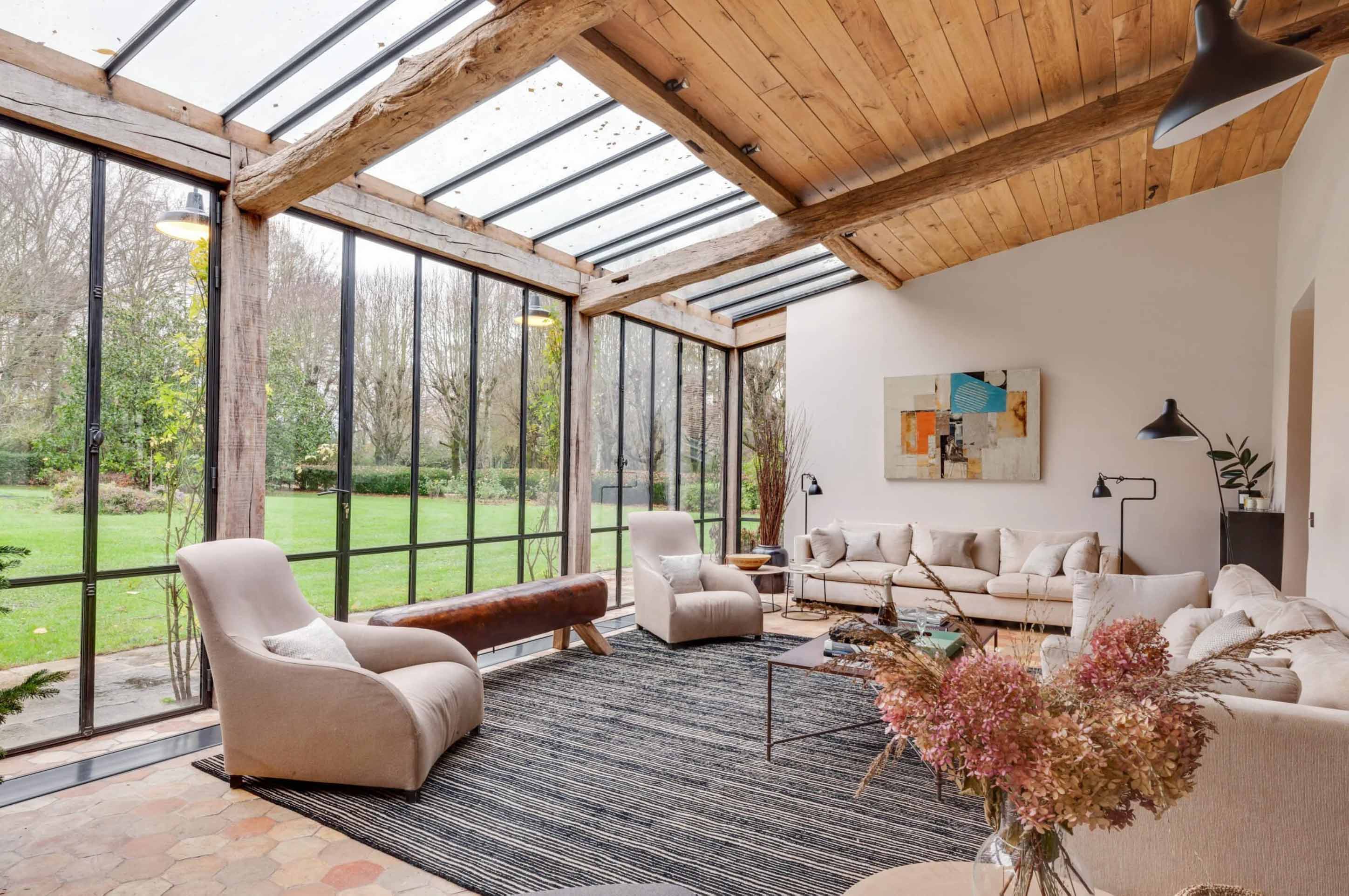
Living outside the city is no longer perceived as retreat. It is seen as an upgrade a way to reclaim time, privacy and mental clarity without sacrificing ambition. Luxury, in this context, is no longer performative. It is functional.
Living Beyond the City Is a Strategic Choice
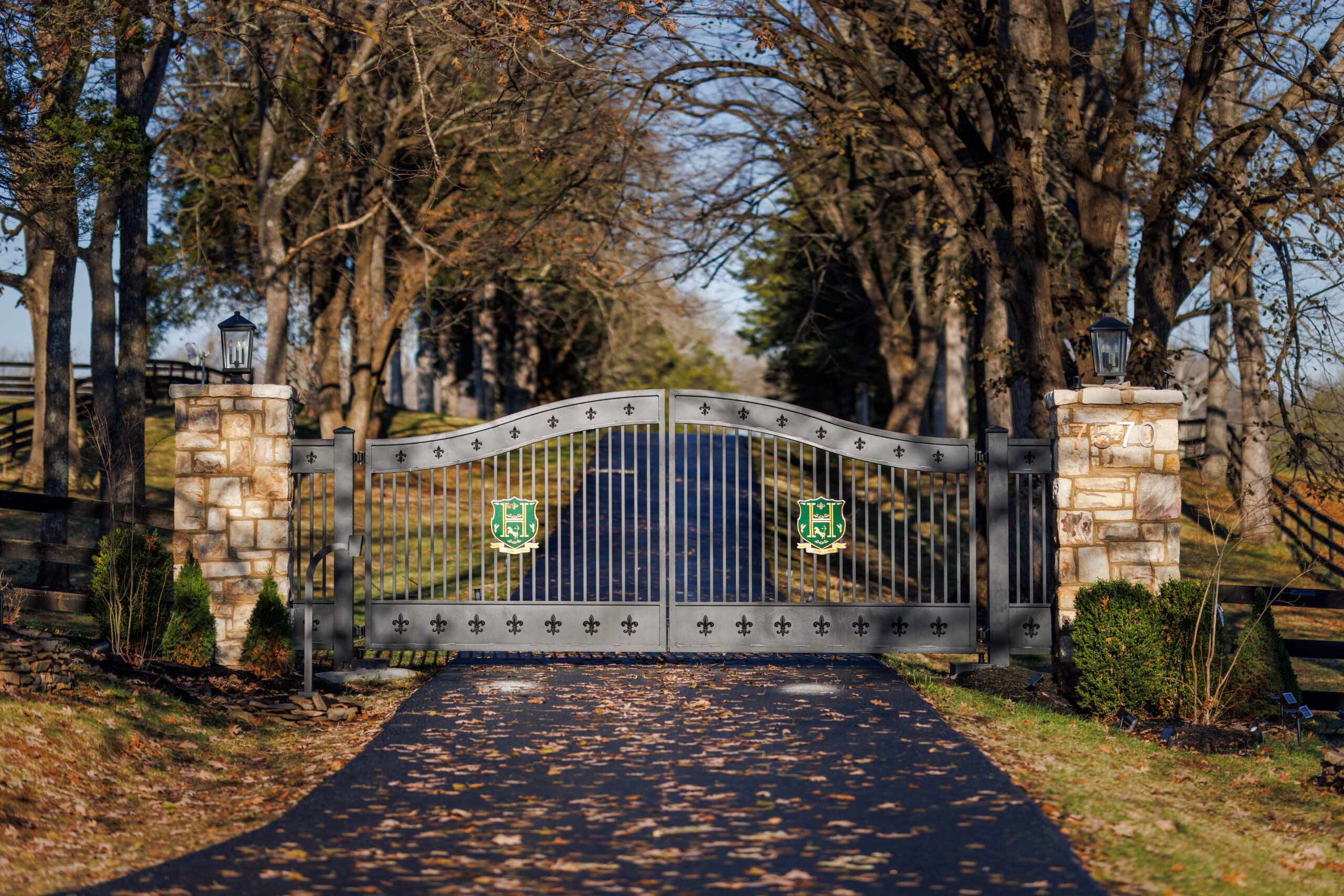
The most desirable lifestyles today exist just beyond city boundaries. These locations allow residents to remain globally connected while living locally grounded lives.
Private estates near capitals are not symbols of isolation, but of intentional distance. They reflect a new understanding of balance one where influence does not require constant proximity.
This evolution explains why residences located near global cities have become some of the most sought-after properties in the world. This way of living is also influencing how travel is perceived. As daily life becomes more intentional and less defined by constant movement, travel increasingly mirrors the same values continuity, meaning, and alignment with one’s lifestyle rather than simple displacement.
This perspective is explored further in our Art of Travel editorial on how certain destinations are redefining travel as an extension of lifestyle, where place, rhythm and experience follow the same logic as the way we choose to live.
Image
Gallery.


Explore
Related posts.

Get
Inspiration
@luxurymedia