
Join Our Journal

.svg)



The Mysterious Château Balsan: A Hidden Riviera Masterpiece
Hidden above Èze between Nice and Monaco, Château Balsan also known as Lou Seuil remains one of the French Riviera’s most mysterious historic estates. Once linked to Consuelo Vanderbilt, the secluded property continues to fascinate Riviera history and architecture enthusiasts.
Perched high above the Mediterranean cliffs of Èze between Nice and Monaco, Château Balsan also known as Lou Seuil remains one of the French Riviera’s most mysterious historic estates. Hidden behind dense Mediterranean vegetation and rarely seen by the public, the property has fascinated locals, architecture enthusiasts, and Riviera historians for decades.
Unlike the glamorous Belle Époque palaces of Saint Jean Cap Ferrat or the grand hotels of Monte-Carlo, Château Balsan possesses something far more elusive: secrecy. Even today, many people driving along the Moyenne Corniche or passing through Èze have no idea that one of the Riviera’s most extraordinary estates sits quietly above the sea.
For decades, the château has inspired curiosity, rumors, and fascination becoming one of the Côte d’Azur’s hidden architectural legends.
What Is Château Balsan?
Château Balsan is a historic private estate located in Èze, a medieval hilltop village on the French Riviera between Nice and Monaco. The property is also known as “Lou Seuil,” its original Provençal name before it became associated with Colonel Jacques Balsan and Consuelo Vanderbilt, one of the most famous American heiresses of the early twentieth century.
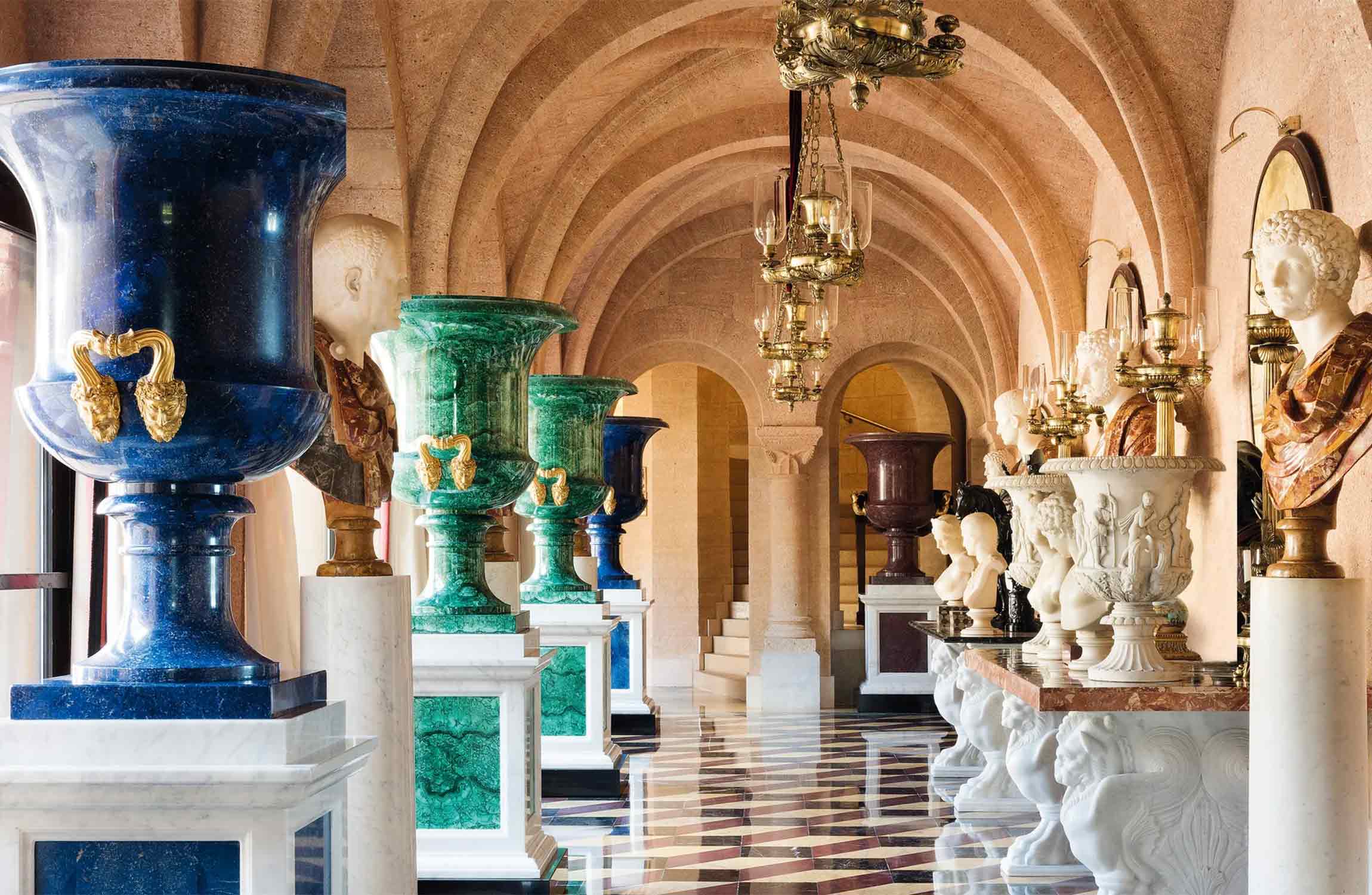
Built during the golden age of Riviera aristocracy in the 1920s, the estate was designed as a secluded Mediterranean retreat overlooking the sea. Unlike the flashy coastal villas commonly associated with the Riviera, Château Balsan embraced a far more refined and almost monastic architectural philosophy.
The estate became known for:
- its immense terraced gardens,
- Italian-inspired cloisters,
- monumental arches,
- panoramic Mediterranean views,
- and extraordinary privacy.
Even today, the château remains largely inaccessible to the public, reinforcing its mysterious aura.

The Vanderbilt Connection
One of the reasons Château Balsan continues to fascinate historians is its connection to Consuelo Vanderbilt, one of the most recognizable figures of the American Gilded Age. Born into the immensely wealthy Vanderbilt family, Consuelo Vanderbilt became Duchess of Marlborough after marrying Charles Spencer-Churchill, the 9th Duke of Marlborough, in what became one of the most famous aristocratic marriages of the era. After her divorce, she later married French aviator and polo enthusiast Colonel Jacques Balsan. Together, they created Lou Seuil on the heights of Èze as a discreet Riviera sanctuary the same coastline where today, the world's most extraordinary superyachts anchor each summer, just a few kilometres below.

A Riviera Estate Unlike Any Other
What makes Château Balsan so unique is that it does not resemble the traditional Riviera mansions built during the Belle Époque.
Instead of excessive ornamentation and coastal extravagance, Lou Seuil adopted a more restrained Mediterranean identity inspired by:
- Tuscan monasteries,
- Italian cloisters,
- Romanesque architecture,
- and traditional Provençal estates.
The result was a property that felt timeless rather than fashionable.
Massive stone terraces descend toward the sea, while tall cypress trees frame the estate against the Mediterranean horizon. The château appears almost carved into the landscape itself a hidden fortress suspended between mountain and sea.
From a distance, the property looks less like a luxury villa and more like a forgotten Mediterranean citadel.
Why Château Balsan Became So Mysterious
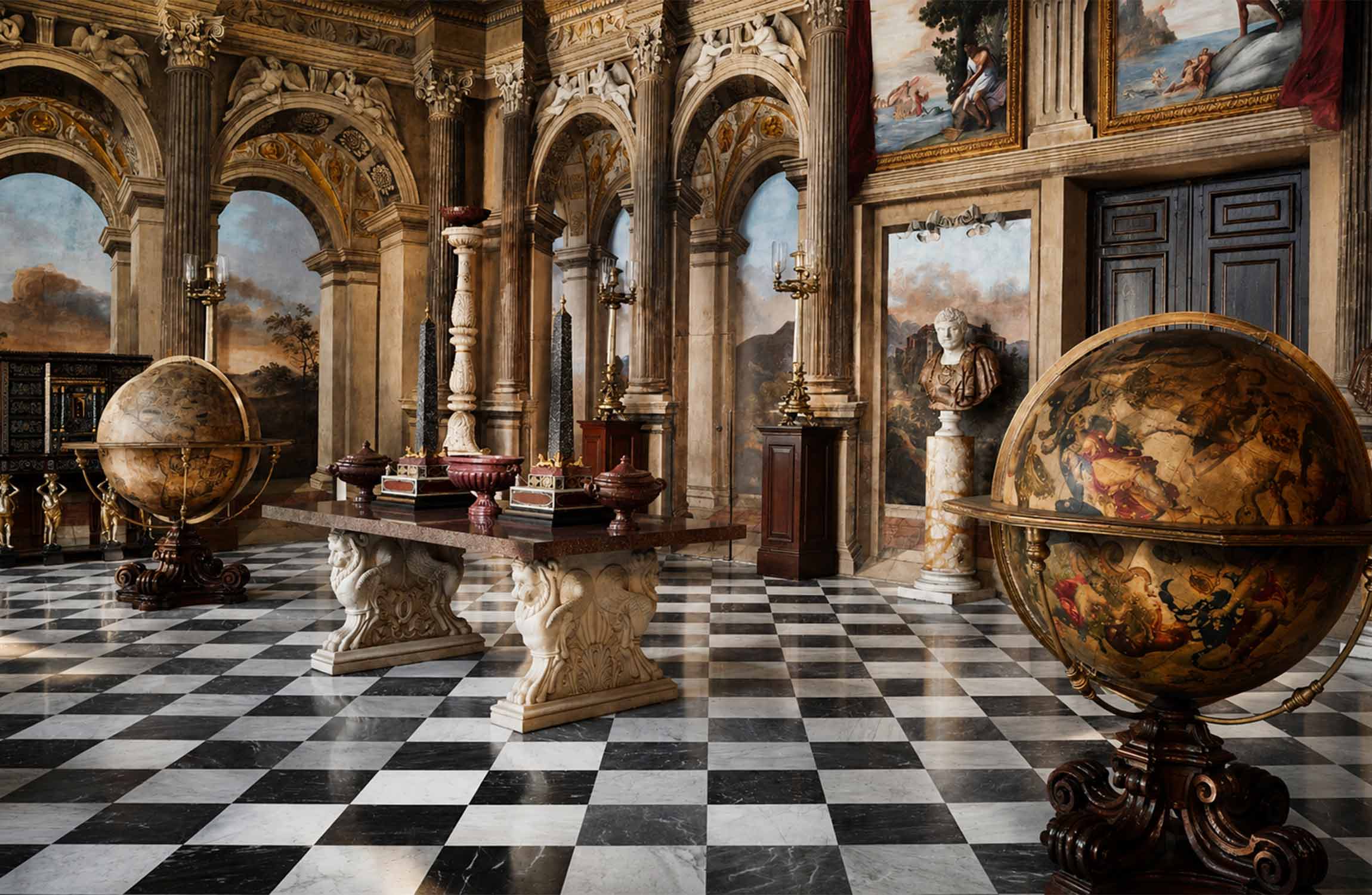
Part of the château’s mystique comes from the simple fact that very little information exists about it publicly.
Unlike many historic Riviera villas that became hotels, museums, or event venues, Château Balsan remained intensely private throughout its history.
As a result:
- very few modern photographs exist,
- access to the property is extremely restricted,
- detailed archives are limited,
- and many Riviera visitors have never even heard of it.
The mystery surrounding the estate only intensified after a devastating fire in 1985 severely damaged parts of the gardens and interiors.
Since then, Château Balsan has become almost mythical among architecture lovers and Riviera enthusiasts.
Many people discover the château accidentally while exploring Èze or searching for hidden estates near Monaco often struggling to find reliable information online.
The Hidden Side of the French Riviera
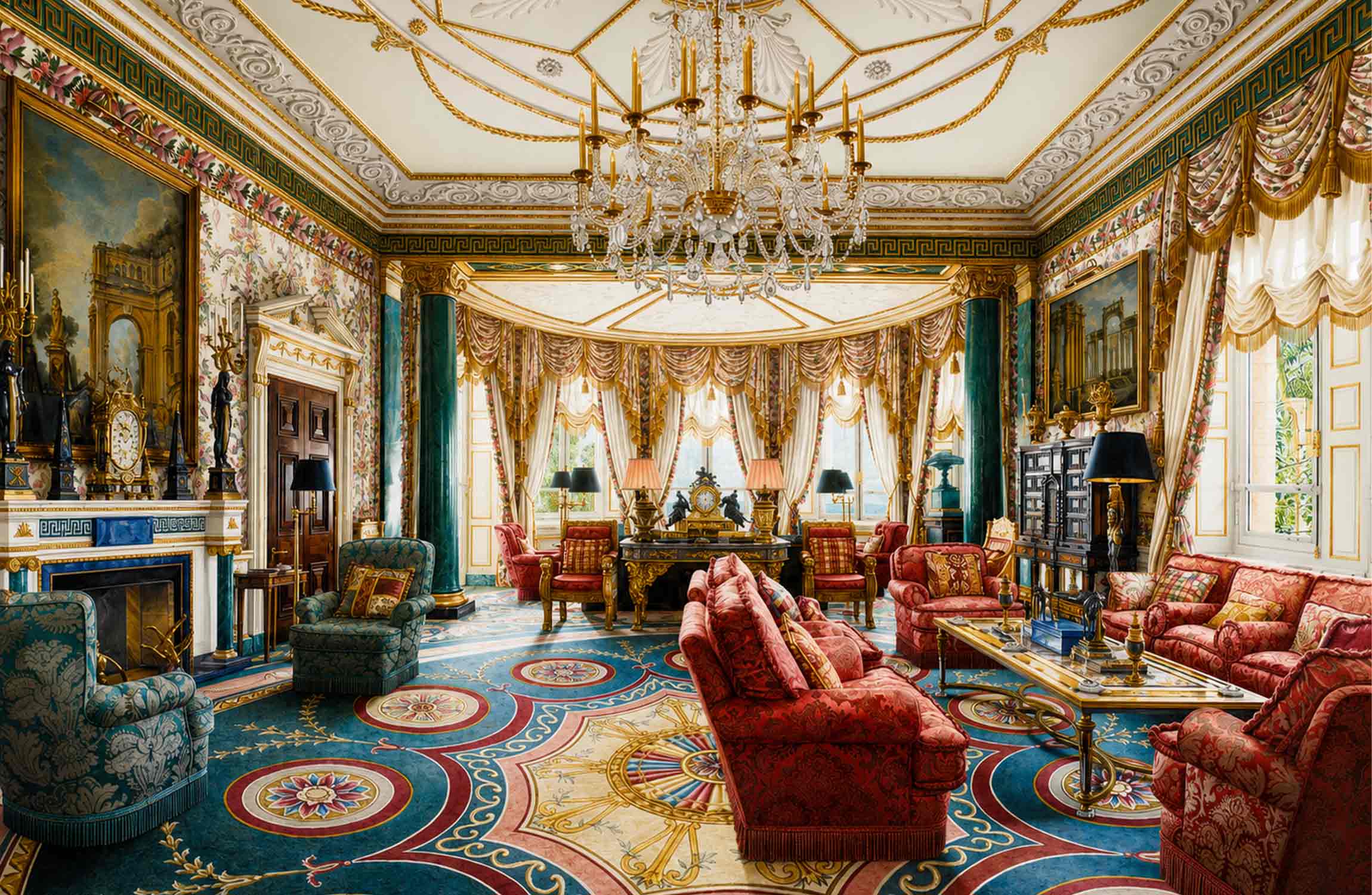
The modern image of the French Riviera is often associated with superyachts, luxury beach clubs, Formula 1, and billionaire real estate. Yet properties like Château Balsan reveal another side of the Côte d’Azur one rooted in aristocratic history, artistic refinement, and old Riviera elegance.
Long before the rise of ultra-modern villas and glass contemporary mansions, estates such as Lou Seuil defined the Riviera lifestyle:
- privacy over visibility,
- heritage over spectacle,
- and timeless architecture over trends.
This hidden aristocratic identity is precisely what continues to make Château Balsan so captivating today.
Can You Visit Château Balsan?
Today, Château Balsan remains a private property and is not generally open to the public.
However, parts of the surrounding hills and roads around Èze offer distant glimpses of the estate overlooking the Mediterranean. Because of its elevated position, the château can sometimes be spotted from nearby viewpoints along the Riviera coastline.
Its inaccessibility is also part of what makes the estate so intriguing. In an era where almost every luxury destination is documented endlessly online, Château Balsan remains remarkably unknown.
And perhaps that mystery is exactly what preserves its magic.
A Forgotten Riviera Masterpiece
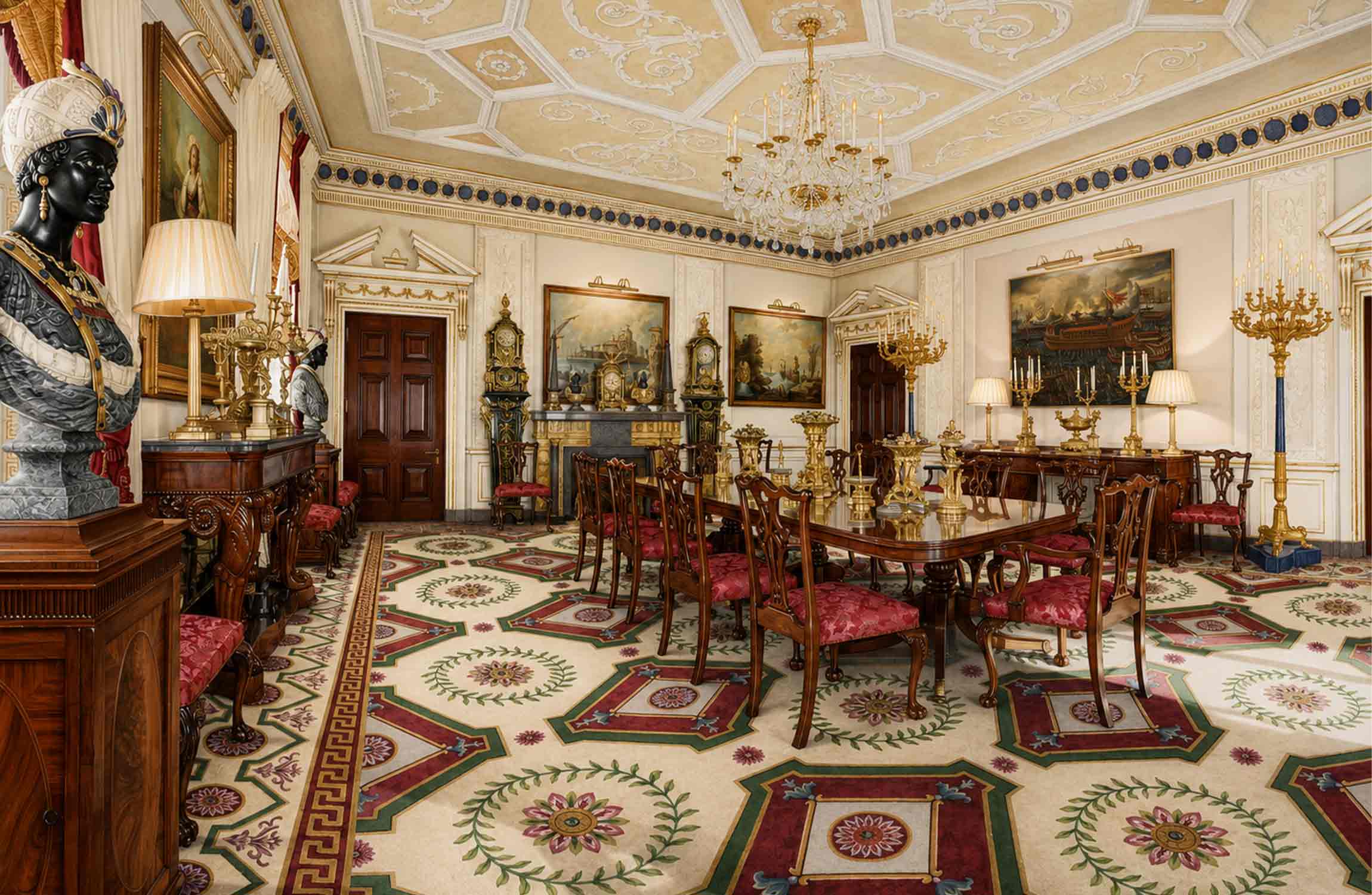
More than a century after its creation, Château Balsan continues to embody the forgotten grandeur of the old French Riviera.
Hidden above the Mediterranean cliffs between Nice and Monaco, the estate stands as a rare surviving symbol of an era when aristocrats, artists, and visionaries transformed the Côte d’Azur into the world’s most glamorous coastline.
Few people have ever seen it closely. Even fewer truly know its story.
Yet for those fascinated by Riviera history, hidden architecture, and timeless Mediterranean estates, Château Balsan remains one of the Côte d’Azur’s greatest secrets.
Image
Gallery.


Explore
Related posts.

Get
Inspiration
@luxurymedia